Filing ITR After Returning to India: RNOR, ROR, FA, 67
File ITR after returning to India by checking NRI, RNOR, ROR status, ITR form choice, Schedule FA/FSI/TR, and Form 67.
The 60-second version
The filing problem after returning is not only which ITR to use. It is the sequence: determine residential status, identify income scope, pick the right form, map foreign schedules, file Form 67 if claiming foreign tax credit, and keep evidence.
The fast answer
Do not start with the ITR form. Start with residential status for the financial year. Then decide whether foreign income, foreign assets, Schedule FSI, Schedule TR, Schedule FA, and Form 67 apply. RNOR and ROR can produce very different filing scopes.
Returning NRIs often copy last year's non-resident filing pattern or jump straight into a resident ITR. That can miss foreign schedules, foreign tax credit timelines, or RNOR-specific relief. The filing should be built from status and income scope outward.
Decision table
Use status first, then form and schedules.
| Situation | Better default | What to verify |
|---|---|---|
| Non-resident for the year | NRI scope | India-taxable income and applicable ITR form. |
| Resident but not ordinarily resident | RNOR review | Foreign income scope and whether Schedule FA is needed. |
| Resident and ordinarily resident | Global scope | Foreign income, Schedule FA, FSI, TR, and possible Form 67. |
| Foreign tax paid | Form 67 check | Deadline and evidence for foreign tax credit. |
| Foreign assets held | Schedule review | Use forms that support required foreign schedules. |
Execution sequence
Follow this order before filing the return.
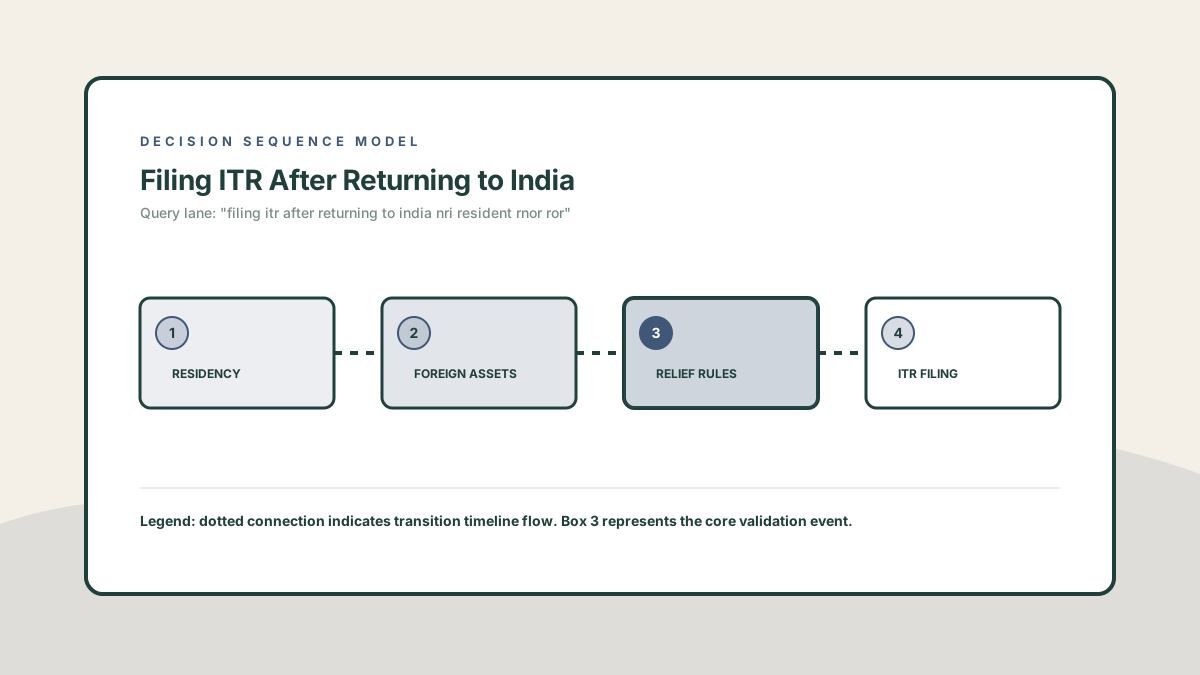
Compute residential status
Use day counts and applicable law for the financial year before selecting the return form.
Build the income map
Separate India income, foreign income, exempt items, capital gains, interest, dividends, and employer income.
Choose the ITR form
Select a form that can carry the required income heads and foreign schedules where applicable.
Prepare foreign schedules
If applicable, map Schedule FSI, TR, FA, and supporting country-wise details before final return entry.
File Form 67 if claiming FTC
When foreign tax credit is being claimed, keep proof of foreign tax and complete Form 67 within the required timeline.
Before you commit
Before filing, make sure the return can survive a document request.
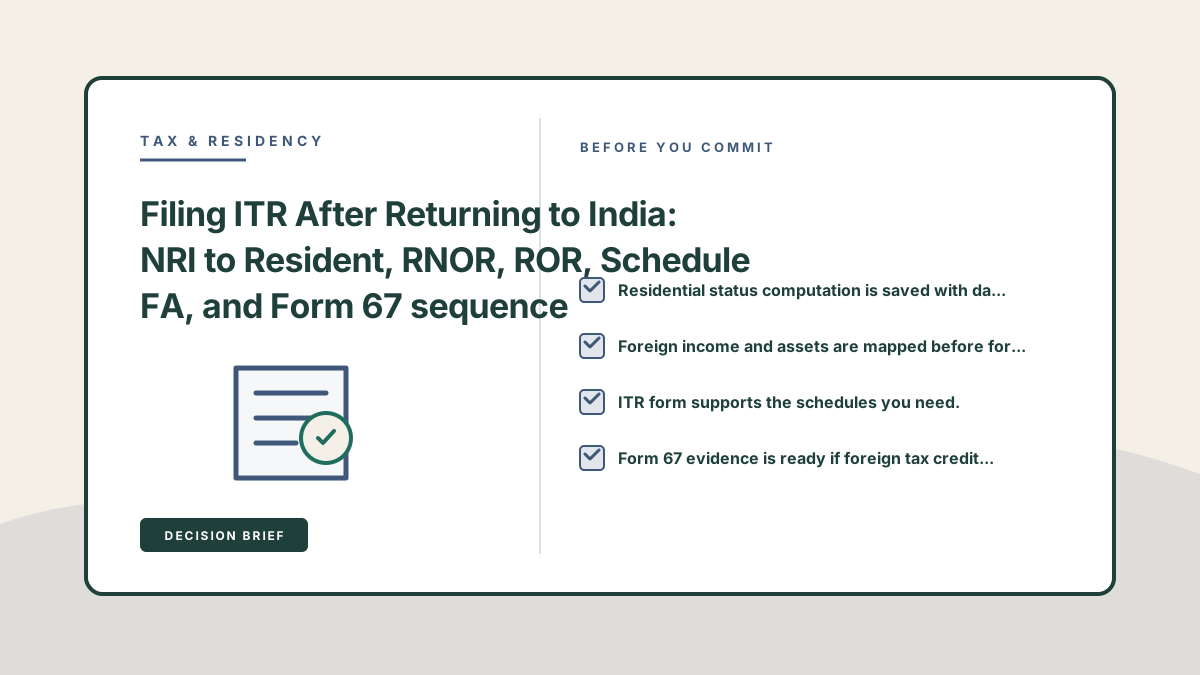
- Residential status computation is saved with day-count evidence.
- Foreign income and assets are mapped before form selection.
- ITR form supports the schedules you need.
- Form 67 evidence is ready if foreign tax credit is claimed.
- AIS/TIS, Form 16/16A, broker statements, and foreign statements are reconciled.
- RNOR or ROR assumptions are reviewed before submission, not after notice.
Animated ITR sequence
Need help with Tax & Residency?
Share your blocker in one line. Our experts will reply with practical next steps.
ITR sequence map
Status drives the form
If you choose the ITR form before status and foreign-schedule review, the filing may look complete while still missing the most important move-year disclosures.
Animated decision map

Community signal
What to watch in real discussions
Treat repeated complaints as risk signals rather than official advice. This page does not link to community search results.
Interactive checkpoint
Turn this guide into a decision file
0 of 4 checked
Which ITR form should I file after returning to India?
It depends on residential status, income heads, and whether foreign income or assets need schedules. Do not choose only from last year's form.
Does RNOR need Schedule FA?
Schedule FA treatment depends on form instructions and residential status. The ITR-2 manual states Schedule FA need not be filled if you are non-resident or not ordinarily resident.
When is Form 67 needed?
Form 67 is used when a resident taxpayer claims foreign tax credit for tax paid outside India, subject to the official filing requirements and timelines.
What documents should returning NRIs keep?
Keep day-count evidence, salary and interest records, foreign tax proof, bank and broker statements, AIS/TIS reconciliation, and foreign asset details where applicable.
Your tax year is already running.
RNOR status, exit timing, and DTAA benefits all depend on decisions you make before you land. Don't guess.