Moving Back to India from USA: 401(k), Tax, School, Setup
Plan a USA to India return around 401(k), IRA, US tax, estate exposure, banking, school timing, shipping, and first setup.

The 60-second version
Search demand around the U.S. move looks broad, but the real pressure concentrates in a handful of systems: retirement accounts, Social Security, brokerage and phone continuity, tax timing, and whether your first city in India is permanent or transitional.
Why the USA return creates a different planning stack
A return to India from the United States rarely breaks because of one dramatic mistake. It usually breaks because the move touches several systems that nobody wants to improvise at the same time: employer retirement plans, IRAs, Social Security assumptions, brokerage or bank address updates, U.S. phone-number continuity, school timing, and Indian banking redesignation after landing.
That is why the strongest U.S.-to-India plan is not built around inspirational pros-and-cons lists. It is built around a handful of operating decisions that affect cash flow, paperwork, and optionality. If you settle those first, the rest of the move becomes a logistics project instead of a recurring financial cleanup job.
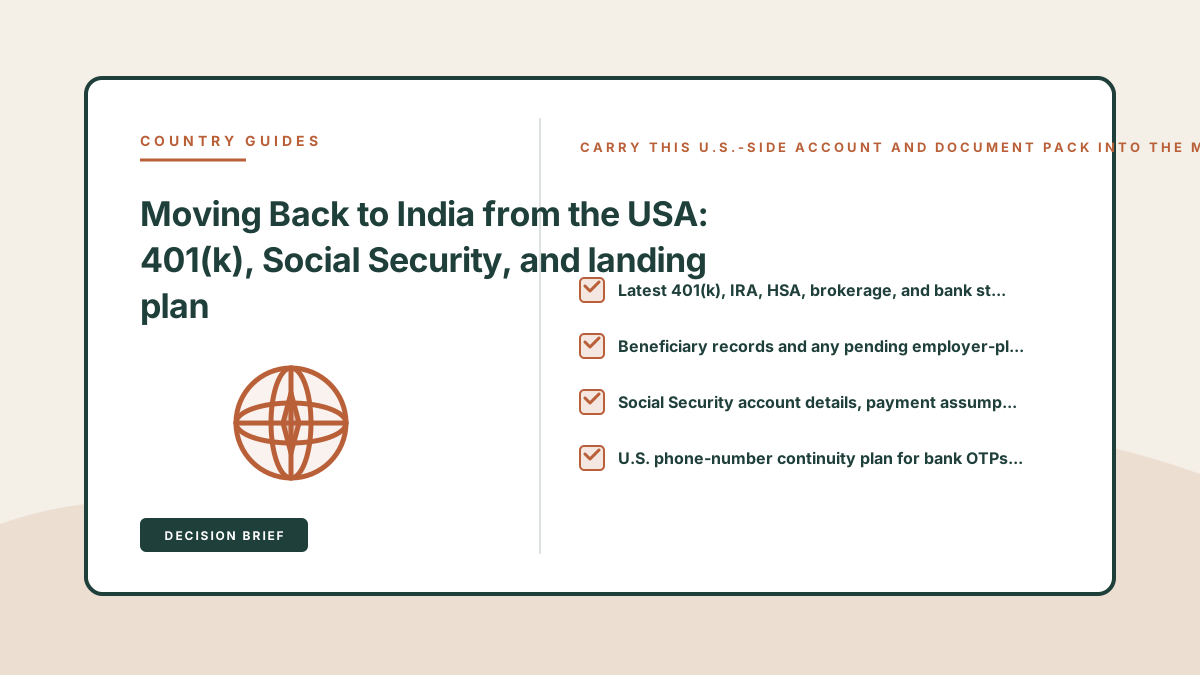
The USA-to-India Transition

401(k) / IRA Decision Tree
The six U.S.-specific checkpoints worth locking before you book around them
| Checkpoint | Question to settle | Why it matters |
|---|---|---|
| 401(k) and old employer plans | Will you leave them in place, roll them over, or request a distribution only if a distributable event actually allows it? | The wrong assumption here can create taxes, withholding surprises, or timing stress just when you are trying to move. |
| IRA lane | Are you preserving the account, consolidating it, or taking money out earlier than you should? | IRAs are flexible, but distributions can still create taxable events and early-distribution issues. |
| Social Security reality | Do you already qualify, and if you do, will payment rules outside the U.S. affect how usable that benefit is for you? | People often budget from assumptions they have not checked with SSA. |
| Brokerage, banking, and phone continuity | Which institutions will need your new address, residency, or phone setup before you lose easy U.S.-side access? | Login recovery, statements, and account restrictions become more painful after you leave. |
| Tax year timing | Which financial year are you optimizing on the India side, and what U.S. filing obligations remain for the move year? | Move timing influences the paperwork burden on both sides. |
| First landing city | Is the first city in India your final base or a temporary operating base while schools and housing settle? | That answer changes rent, school urgency, shipment size, and how much cash you need ready on day one. |
Key steps before you touch a 401(k) or IRA
The goal is to preserve optionality first and trigger tax events only when you understand the consequences.
Separate access from action
Collect current plan details, beneficiary settings, provider contacts, and online access before you decide whether to keep, roll over, or distribute anything.
Confirm whether a distribution is even available
IRS guidance explains that qualified-plan money such as a 401(k) generally requires a distributable event or plan-allowed trigger before you can take it out, so do not build the move plan around assumed access.
Compare preserve-versus-withdraw, not just account-versus-account
A rollover can preserve tax deferral. A direct distribution may create taxable income, withholding, and possibly an additional tax if you are below the age threshold and no exception applies.
Only then decide what India needs on day one
Your India-side bank setup should be built around the first 3 to 6 months of rupee cash flow, not around liquidating long-horizon retirement assets casually.
Need help with Country Guides?
Share your blocker in one line. Our experts will reply with practical next steps.
Carry this U.S.-side account and document pack into the move
These are the details people most regret not organizing before they lose easy local access.
- Latest 401(k), IRA, HSA, brokerage, and bank statements, plus the exact institutions and contact channels that hold them.
- Beneficiary records and any pending employer-plan paperwork you still need to finish before separation from employment.
- Social Security account details, payment assumptions, and the SSA instructions that apply if benefits will be received while living abroad.
- U.S. phone-number continuity plan for bank OTPs, brokerage alerts, and account recovery.
- Recent U.S. tax filings, W-2s, 1099s, and the move-year documents your preparer will need when two countries touch the same year.
- A list of recurring subscriptions, autopays, insurance, and cards that should not keep hitting an address or account setup you have already abandoned.
- Your India-side banking and redesignation plan so salary, rent, school fees, or family support transfers do not depend on last-minute improvisation.
What should be settled before departure and what can wait until after landing
| Decision | Before departure | After landing | Reason |
|---|---|---|---|
| Retirement-account access and rollover options | Yes | Execution can continue | You want the facts before travel, even if the final paperwork finishes later. |
| Social Security payment and reporting assumptions | Yes | Review only | A mistaken assumption can distort the whole post-move cash-flow model. |
| U.S. number and login continuity | Yes | Testing continues | Account recovery gets harder after you are already in India. |
| Indian bank redesignation lane | Plan it | Execute and document | The India-side banking stack becomes urgent once salary, rent, or school fees begin. |
| Permanent school and housing choice | Not always | Usually yes | Many families do better with a temporary landing base than with a rushed permanent commitment. |
The expensive U.S. mistake
Do not let the move timeline pressure you into cashing out retirement accounts just because they look like the easiest source of liquidity. The cleaner plan is usually to stabilize India-side cash flow separately and make retirement decisions only after the rules, taxes, and long-horizon tradeoffs are clear.
Need help with Country Guides?
Share your blocker in one line. Our experts will reply with practical next steps.
Use the first 60 days in India to stabilize access and payments
Test every institution that still depends on the U.S. setup
Log in from India, trigger alerts, verify OTP delivery, and confirm whether statement delivery, address records, and phone settings still work the way you expect.
Separate ongoing U.S. assets from day-to-day India cash flow
Keep long-horizon retirement planning distinct from rent, schooling, and monthly rupee operating needs so you do not make irreversible decisions under fatigue.
Only then optimize what should stay, move, or close
Once the move has stopped feeling chaotic, review which U.S. relationships remain useful and which ones should be simplified, consolidated, or exited.
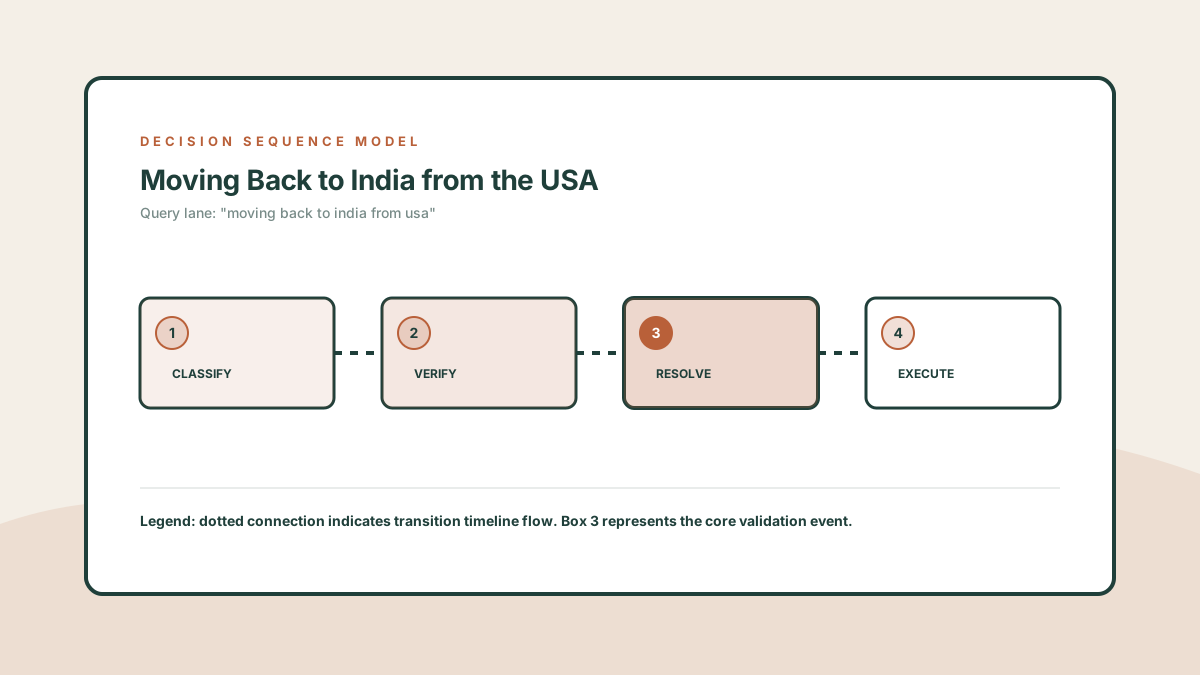
Animated decision map

Need help with Country Guides?
Share your blocker in one line. Our experts will reply with practical next steps.
Interactive checkpoint
Turn this guide into a decision file
0 of 4 checked
Should I cash out my 401(k) before moving back to India from the USA?
Not by default. IRS guidance makes clear that qualified-plan distributions follow plan rules and tax rules, so the safer starting point is to compare keeping, rolling over, or distributing only after you understand the consequences.
Can I keep my IRA after moving to India?
An IRA does not need to be emptied just because you move, but distributions can still create taxable income and may trigger an additional tax if you are below the age threshold and no exception applies.
Can Social Security keep paying after I leave the United States?
Sometimes yes, but SSA says payment abroad depends on your status and circumstances. Non-U.S. citizens, in particular, need to check the outside-the-U.S. payment rules carefully rather than assuming benefits continue unchanged.
What is the most common planning mistake in a U.S.-to-India move?
Treating retirement-account money as move cash before stabilizing banking, phone continuity, and India-side monthly cash flow. That is how people create avoidable taxes and still end up with operating friction.
Your country's rules are the starting point, not the finish line.
Tax exits, pension continuity, banking notifications — the India side has its own rules too. Get both sides clear.