NRO Interest Tax 2026: 30% TDS vs DTAA Refund Path
Is NRO interest taxable? Bank TDS vs final tax, Form 10F/TRC treaty path, 26AS/AIS reconcile, and refund order after return to India.
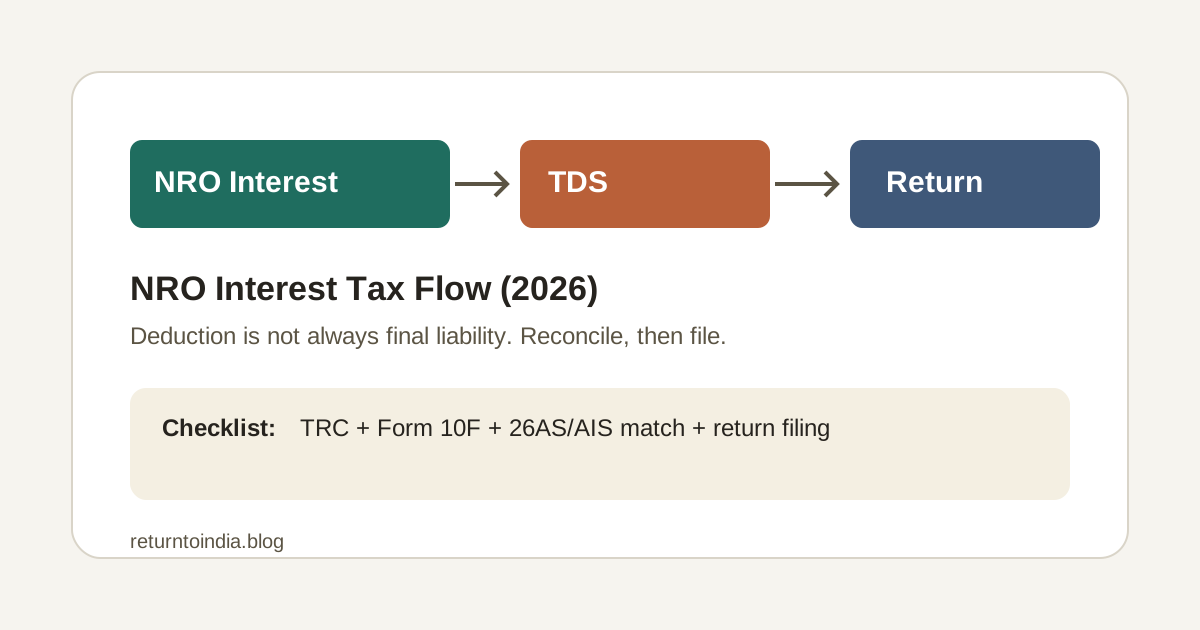
The 60-second version
Most people ask one question but need three answers: what the bank deducts, what tax is actually due after treaty relief, and what documents prevent over-deduction. This guide gives the execution order.
One query, three different tax jobs
When people ask whether NRO interest is taxable in India, they usually mix three steps into one: bank-level deduction, annual tax computation, and treaty-based correction. That creates confusion and, in many cases, excess cash locked up as TDS until return filing.
The execution model is simple: first classify residential/treaty status, then pre-position the document pack for lower withholding where possible, then reconcile via return filing if the deduction was higher than final liability.
NRO interest: deduction layer vs final-liability layer
| Layer | What happens | What usually goes wrong | What clean execution looks like |
|---|---|---|---|
| Bank deduction layer | Bank applies TDS on NRO interest (commonly 30% + surcharge + cess unless treaty process is accepted). | Assuming this is final tax and never reconciling. | Track every deduction certificate and month-level credit. |
| Treaty entitlement layer | Eligible taxpayers may use DTAA rate subject to TRC/Form 10F and bank process. | Document set submitted late or with mismatch in name/tax residency details. | Submit treaty documents before major accrual cycles where possible. |
| Return-filing layer | Final liability computed in return; excess TDS can become refund. | No interest breakup and no mapping to Form 26AS/AIS credits. | Reconcile bank certificates, AIS/26AS, and return schedules before filing. |
7-step sequence to avoid over-deduction surprises
Classify your status for the tax year
Lock resident/non-resident position and treaty country profile before discussing rates with the bank.
Collect the treaty packet
Prepare TRC, Form 10F, passport/tax ID proof, and a bank-specific declaration set.
Confirm branch process in writing
Different branches operationalize treaty documents differently; get a written acceptance path.
Track deduction monthly
Maintain accrual and deduction logs. Reconciliation later is expensive if you wait for year-end only.
Download and reconcile credit statements
Cross-check bank certificates with AIS/26AS before return preparation.
File return with treaty logic mapped clearly
Use explicit schedules and claim relief/refund with traceable working papers.
Close the loop for next year
If excess deduction repeated, fix bank-side treaty handling before next accrual cycle.
Tax handling flow
Document checklist before bank/tax filing
- TRC from treaty country (valid period aligned to accrual year).
- Form 10F with exact identity fields matching bank records.
- Passport and tax-ID proof used in branch KYC profile.
- Bank NRO interest certificates and deduction statements.
- AIS and Form 26AS extracts for the same period.
- Working note mapping treaty claim logic to return schedules.
Need help with Tax & Residency?
Share your blocker in one line. Our experts will reply with practical next steps.
Do not wait for refund season to reconcile
If you postpone reconciliation to year-end, missing credits and mismatched identity details are harder to fix and can delay refund release materially.
Animated decision map

Community signal
What to watch in real discussions
Treat repeated complaints as risk signals rather than official advice. This page does not link to community search results.
Interactive checkpoint
Turn this guide into a decision file
0 of 4 checked
Is NRO account interest always taxable in India?
NRO interest is generally taxable in India. The confusion is usually about deduction rate versus final liability after treaty relief and return filing.
Why is my TDS high if I am eligible for treaty relief?
Banks apply operational rules based on accepted documents and timing. If treaty docs were late/incomplete, deduction may remain at higher default rates until corrected in filing.
Can I claim a refund of excess TDS on NRO interest?
Yes, if your final computed liability is lower than deducted tax and credits are correctly reflected and reconciled in your return.
Does this page replace professional tax advice?
No. Use this as an execution framework and validate country-specific treaty interpretation and filing treatment with a qualified tax professional.
Your tax year is already running.
RNOR status, exit timing, and DTAA benefits all depend on decisions you make before you land. Don't guess.