US Stocks After India Move: Sell Timing + Broker Access
Sell timing after return: RNOR window, broker freezes, cost basis export, Schedule FA, Form 67 — and what still taxes when you trade.
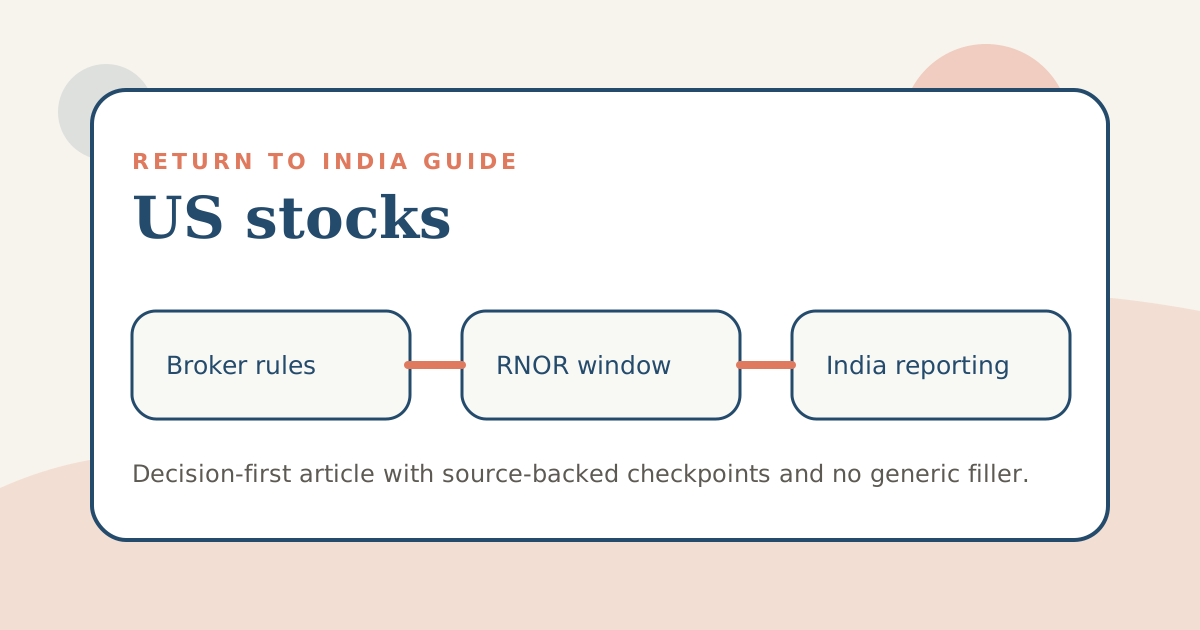
The 60-second version
The dangerous version of this topic is a one-line 'sell during RNOR' answer. The better answer separates US tax residency, India residential status, broker access, cost basis, reporting, and cash-transfer timing.
Fast answer
Before selling US stocks after moving to India, separate five questions: US tax residency, India NRI/RNOR/ROR status, broker account rules, India foreign-asset reporting, and where sale proceeds are first received.
Search results often over-focus on tax rate. The real planning problem is sequence risk: broker restrictions, wrong-year sale, missing Schedule FA, and untracked cost basis can hurt more than the headline tax rate.
Decision table
This is the part most first-page results usually flatten. The correct answer changes when timing, documentation, cash flow, and fallback options change.
| If this is your situation | Best next move | Proof you need before committing |
|---|---|---|
| Sale before India residency changes | Document US tax position and cost basis | Broker statement, sale date, tax residency, and cash trail. |
| Sale during RNOR period | Confirm India tax scope before executing | RNOR computation, foreign-source income analysis, and CA note. |
| Sale after becoming ROR | Plan India reporting before selling | Schedule FA, capital gain computation, exchange rate, and foreign tax credit file. |
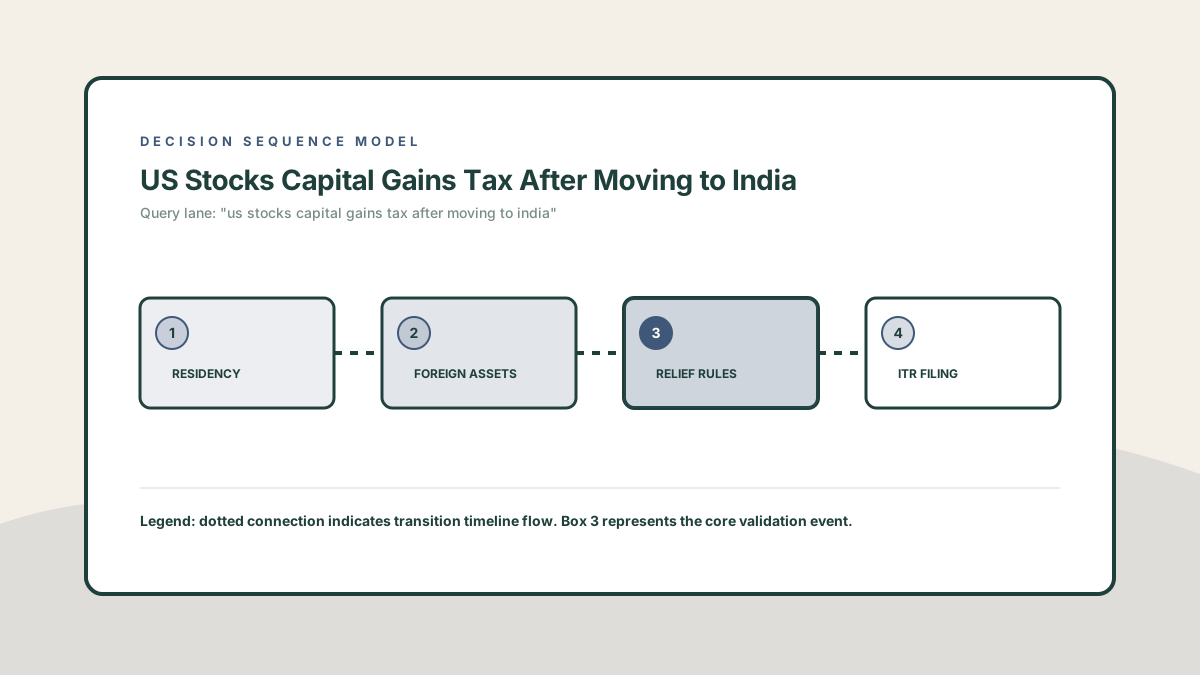
Execution order
The sequence matters because doing the right task in the wrong order creates rework.
Freeze the account inventory
List brokers, account type, country of custody, cost basis, gains, losses, and access rules.
Calculate residency on both sides
US and India tax years do not align cleanly, so calculate each separately.
Choose sale windows deliberately
Do not let a broker notice, job exit, or panic move decide the tax year.
Prepare reporting before transfer
Keep sale confirms, 1099s, India schedules, and remittance notes together.
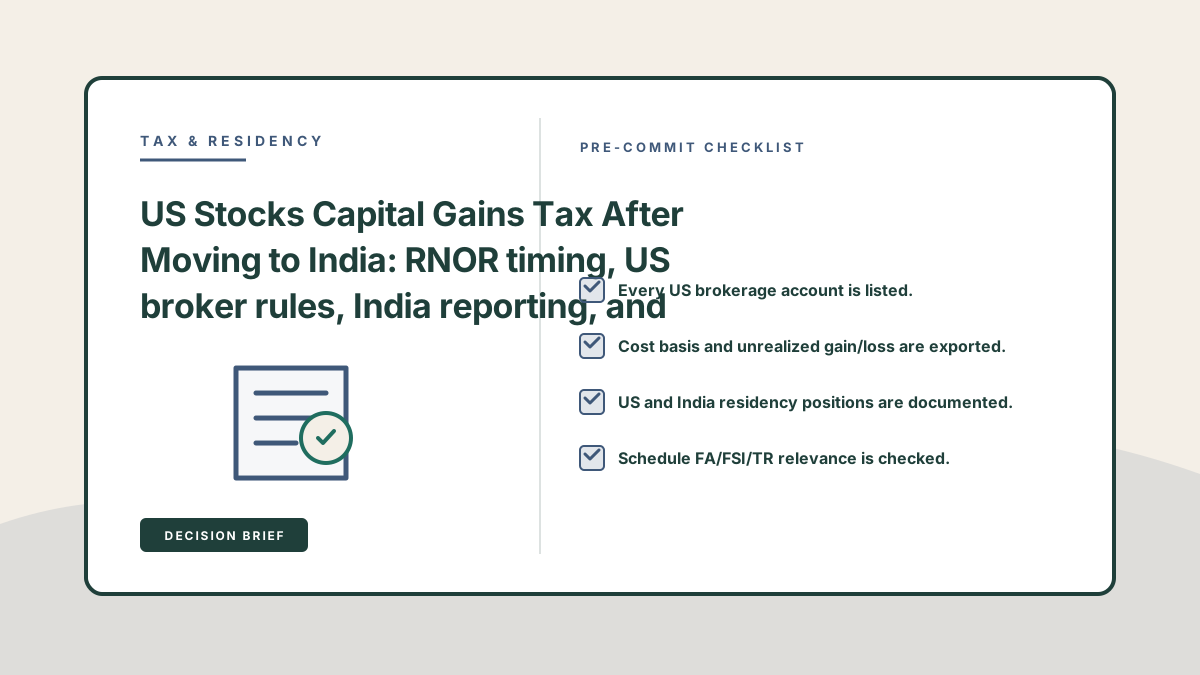
Pre-commit checklist
Do not close the loop until each item has a named owner and a document, screenshot, email, or note behind it.
- Every US brokerage account is listed.
- Cost basis and unrealized gain/loss are exported.
- US and India residency positions are documented.
- Schedule FA/FSI/TR relevance is checked.
- The first-receipt bank account and transfer route are recorded.
Animated decision map
Need help with Tax & Residency?
Share your blocker in one line. Our experts will reply with practical next steps.
Workflow map
What this guide adds beyond generic results
This is built as a sale-sequencing guide rather than a generic capital-gains explainer, because the same portfolio can produce different outcomes in different return years.
Animated decision map

Community signal
What to watch in real discussions
Treat repeated complaints as risk signals rather than official advice. This page does not link to community search results.
Interactive checkpoint
Turn this guide into a decision file
0 of 4 checked
Does India tax US stock gains after moving back?
It depends on residential status, source, timing, and whether you are RNOR or ROR for the relevant financial year.
Can a US broker restrict my account after I move?
Yes, broker policies vary. Confirm account access, trading restrictions, address rules, and tax forms directly with the broker.
Do US stocks need India reporting?
Foreign asset and income reporting can apply once India reporting scope reaches those assets. Check the correct ITR schedules before filing.
Your tax year is already running.
RNOR status, exit timing, and DTAA benefits all depend on decisions you make before you land. Don't guess.